Abhyanga—the traditional Ayurvedic practice of warm oil self-massage—is one of the most supportive daily rituals for calming the nervous system, supporting circulation, and improving overall health during seasonal transitions.
As we approach the March Equinox, the shift from winter to spring begins to take hold. The light changes, temperatures fluctuate, and nature slowly begins to wake from its winter rest.
Here in Northern California, the mornings are warmer and brighter, and the evenings stretch a little longer. My orange tree has only a few oranges left hanging, while the apple and fig trees are beginning to push out their first green shoots. All around, the landscape is starting to bloom again as the days swing between warm sun and chilly wind.
Our bodies are adjusting too.
In Ayurveda, the transition from winter to spring is considered one of the most challenging seasonal shifts of the year. Winter’s heavier qualities—cold, moisture, and stability—begin to loosen as temperatures rise. As this happens, the body starts clearing what accumulated during the colder months.
This is why early spring often brings symptoms like congestion, sluggish digestion, fatigue, brain fog, and seasonal allergies.
Not because anything is wrong.
But because the body is working to rebalance itself as the season turns.
But because everything is changing at once.
Why the Spring Seasonal Transition Can Feel Difficult
Winter is governed by kapha—the qualities of heaviness, moisture, and stability. Over the colder months, these qualities naturally accumulate in the body. They are protective and necessary. They help us rest, repair, and store energy.
But when temperatures begin to warm, that accumulated kapha starts to melt and mobilize, much like snow beginning to thaw.
This is why early spring is often associated with:
• congestion
• sluggish digestion
• seasonal allergies
• fatigue
• brain fog
• emotional heaviness
In classical Ayurvedic texts, this time of year is described as a period when the body is working hard to clear what winter stored.
Supportive daily practices can help the body move through this transition more smoothly.
One of the most nourishing of these practices is abhyanga.
What Is Abhyanga?
Abhyanga is the traditional Ayurvedic practice of warm oil self-massage.
Before bathing or showering, warm oil is massaged over the body using slow, rhythmic strokes. Traditionally sesame oil or herbalized oils are used.
Even five minutes of this practice can have a noticeable effect.
Abhyanga is traditionally said to:
• support circulation and lymphatic movement
• calm the nervous system
• lubricate joints and tissues
• improve sleep
• nourish the skin
• support seasonal detoxification
During times of seasonal change, this simple ritual can act almost like an anchor for the body.
Instead of pushing through the turbulence of the season, we offer the nervous system a different signal:
You are safe. You are supported.
If you’d like to learn how to practice it, you can read my full guide here.
Abhyanga During Pregnancy
Pregnancy asks the body to expand, stretch, and reorganize at a remarkable pace.
Gentle oil massage can be especially supportive during this time.
Benefits may include:
• supporting skin elasticity as the belly grows
• improving circulation and lymphatic flow
• easing tension in the lower back and hips
• calming the nervous system
• encouraging deeper rest and sleep
Many pregnant women find that abhyanga becomes a daily ritual of connection—a moment to slow down and acknowledge the profound work the body is doing, and to connect more deeply with the growing baby within.
And of course, this practice is just as valuable for those who are not pregnant. Our nervous systems are all living through seasons, transitions, and demands.
Sometimes the most powerful medicine is also the simplest.
Warm oil.
Gentle touch.
A few quiet minutes of attention.
A Question to Sit With
Where might your body be asking for more nourishment as the season shifts?
Not more effort.
More nourishment.
Seasonal Offering
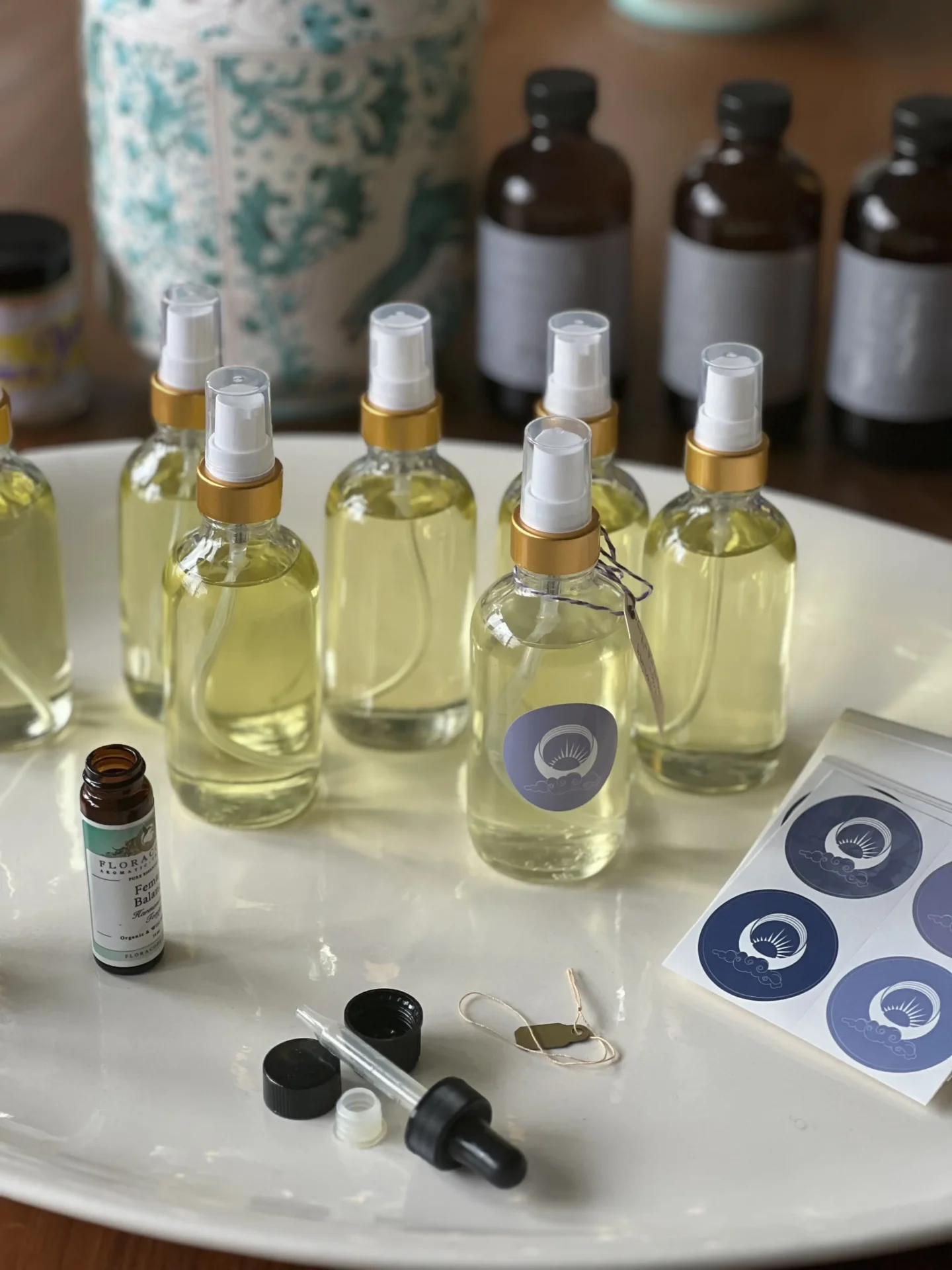
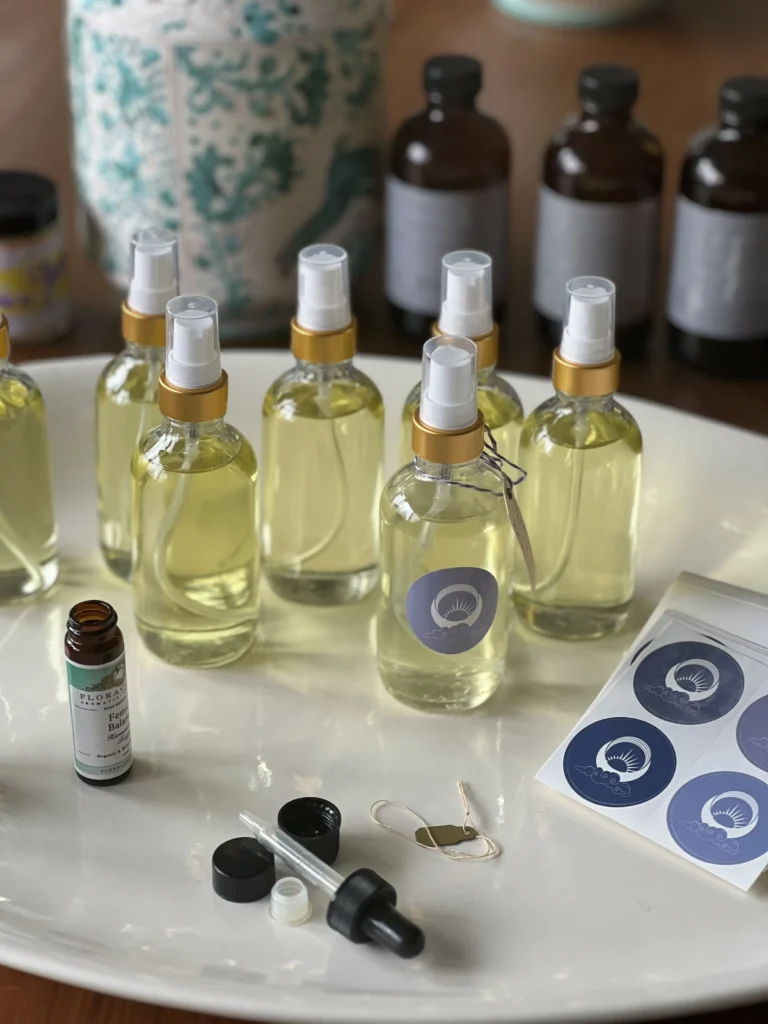
I’ve been making a small batch of Abhyanga oil from my home “pharmacy.”
Bottles are $20 plus shipping.
You can reply to my newsletter if you’d like one, or pick one up at any of the FolkYoga locations. They will also be available soon on my Etsy shop.
Want to Go Deeper?
You’re always welcome to:
• Book a free intro call
• Join a class or workshop
• Explore prenatal yoga teacher training opportunities
Enjoy these reflections?
Subscribe to receive Weekly Musings in your inbox.